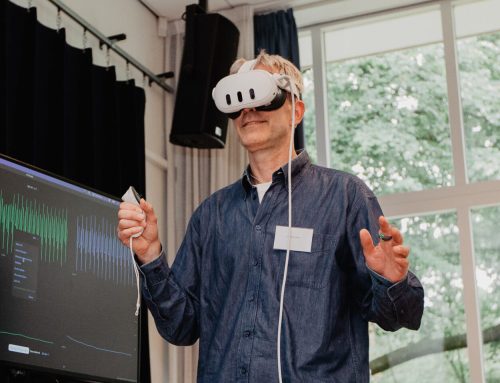
Wearable devices that track body signals are becoming more common, not only in the consumer market but also in stress research. With the number of devices growing rapidly, it is nearly impossible to keep up-to-date and compare the suitable devices. Wearables differ on the signals they measure, on how often they record them, what kind of data they provide and how valid this data is. They are also not equal in their user-friendliness. To facilitate informed comparison and the selection process, we have created the Stress in Action Wearables Database (SiA-WD). This open-access tool collects technical specifications next to scientific evidence on the quality of the obtained data and the wearables’ usability. In the paper we use two example scenarios from stress research to showcase how the database can help select the most suitable device for both short- and long-term use.
We also reflect on the gaps in the available research and the shortcomings of the wearable market in general, mostly on the overall lack of harmonisation in both the scientific literature and reporting by manufacturers. This database is an attempt at making the field of wearables more standardised by mapping the landscape of available devices and the supporting scientific evidence.
The SiA-WD takes the complex task of device selection and turns it into a standardised procedure. The systematic overview will continuously be updated for the upcoming ten years and forms a useful resource for researchers, the public, and for manufacturers, as it highlights the existing inconsistencies and dynamics of the field.