
The next big step for SiA: From stress measurement towards adaptive stress interventions
Written by Magdalena Sikora, Alec Zirnheld and Xiaochang Zhao.
At Stress in Action, we have collectively been climbing the mountain of daily-life stress measurement. As we go on, another summit starts emerging on the horizon – the one of adaptive stress interventions. At our consortium meeting this June, we have managed to take a first good look at what lies ahead. Our expert guest – Olga Perski – provided a wonderful overview of Just-in-Time Adaptive Interventions (JITAIs) and guided an interactive workshop allowing us to think deeply about intervening on stress in the daily life. In this blogpost, we highlight the key messages we received from Olga, what the workshop teams mapped out, and how these ideas connect to the broader aims of the SiA project.
Dr. Olga Perski is a health psychologist at the Department of Psychology, Stockholm University, where she leads a research group and recently received an ERC grant for her Time Matters project. Her work sits at the intersection of behavioural science and digital technology, with a focus on just-in-time adaptive interventions (JITAIs), using real-time data from smartphones and wearables to deliver the right support to the right person at the right moment. Olga Perski was invited to hold a keynote lecture and host a workshop during the Stress in Action (SiA) consortium meeting in Amersfoort in June 2026.
Before we dive into the advice from Olga, let’s take a look back at the original SiA project proposal and what we planned to achieve in Phase 3 of our project – the time when intervening on stress will become the main focus.
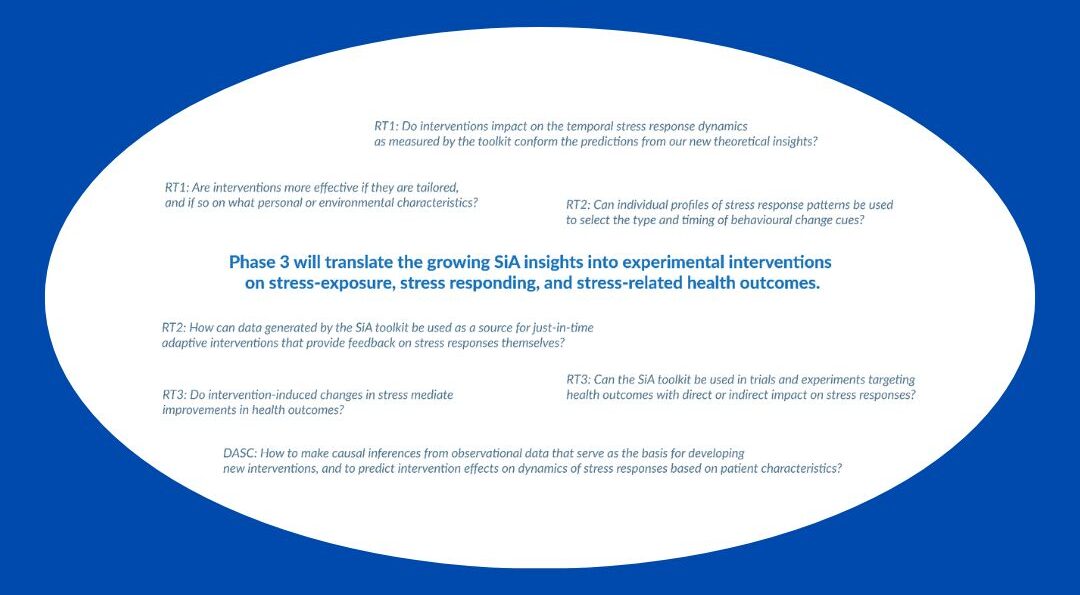
Image 1. Research aims of Stress in Action research themes (RTs) and support cores (SCs) in phase 3 of the project.
Dynamical systems
What this broad set of research aims has in common is the need for the interventions to be adaptable to the dynamic nature of daily-life stress. As we heard from Olga, psychological phenomena like stress are best considered as dynamical systems. As such, stress can be characterised as fluctuating non-linearly over time, differing from person to person while at the same time being influenced by multiple external and internal factors, and unfolding across different temporal and spatial scales. This view is closely aligned with how the SiA consortium conceptualises stress, but how can we best provide support to help people manage it?
According to Olga, Just in Time Adaptive Interventions (JITAIs) offer a good intervention solution for such dynamic processes as stress, as they make it possible to intervene at the right moment and context (just-in-time), and with support that can be tailored to the person that needs it (adaptive). As Olga explained, deciding when to intervene on stress is in itself a big challenge and requires a well thought-out set of criteria. Here, tailoring variables play a role, as they signal if a person is either vulnerable (e.g., stressed) or if there is a moment of opportunity to induce positive change. At the same time however, the person needs to be receptive to engage with the momentary intervention. As Olga pointed out, someone giving a talk to a large audience may not be in the most receptive state to receive an intervention aimed at lowering their stress levels.
Magdalena Sikora and Xiaochang Zhao are both PhD candidate at University of Twente, and Alec Zirnheld is a PhD candidate at UMCG in collaboration with University of Twente. They are all part of Research Theme 2 of Stress in Action.
Intervention options
The next challenge is deciding on what it is exactly that the intervention would prompt a person to do. From paced-breathing exercises to physical activity or mindfulness, a pool of potentially effective intervention options is large for us as stress researchers. These should however be selected based on their potential to affect the desired proximal (momentary changes; e.g., perceived stress at the hourly level) and distal (aggregated changes over time; e.g., scores on the Patient Health Questionnaire-9 referring to the past 2 weeks) outcomes. The last element tying it all together is the decision rules specifying when, for whom, based on which tailoring variables, and which intervention options should be used. This framework is illustrated in the figure below.
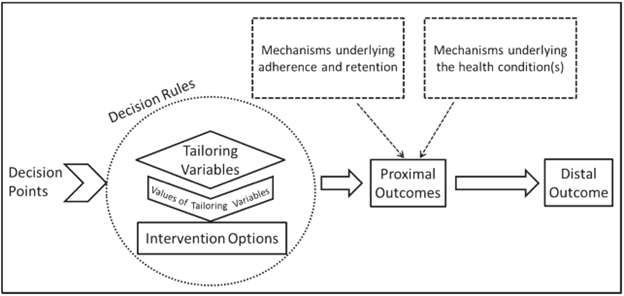
Image 2. Conceptual model of JITAI components by Nahum-Shani et al. (2018)
While this framework clarifies which aspects need careful consideration when developing JITAIs, the design of each element is in itself challenging, and many open questions remain. JITAI developers typically want to use a carefully selected optimisation study design to address empirical research questions about when, where and how to intervene. Such JITAI optimisation designs include Micro-Randomised Trials and system identification experiments from the control systems engineering toolbox (Hekler et al., 2018).
Workshop
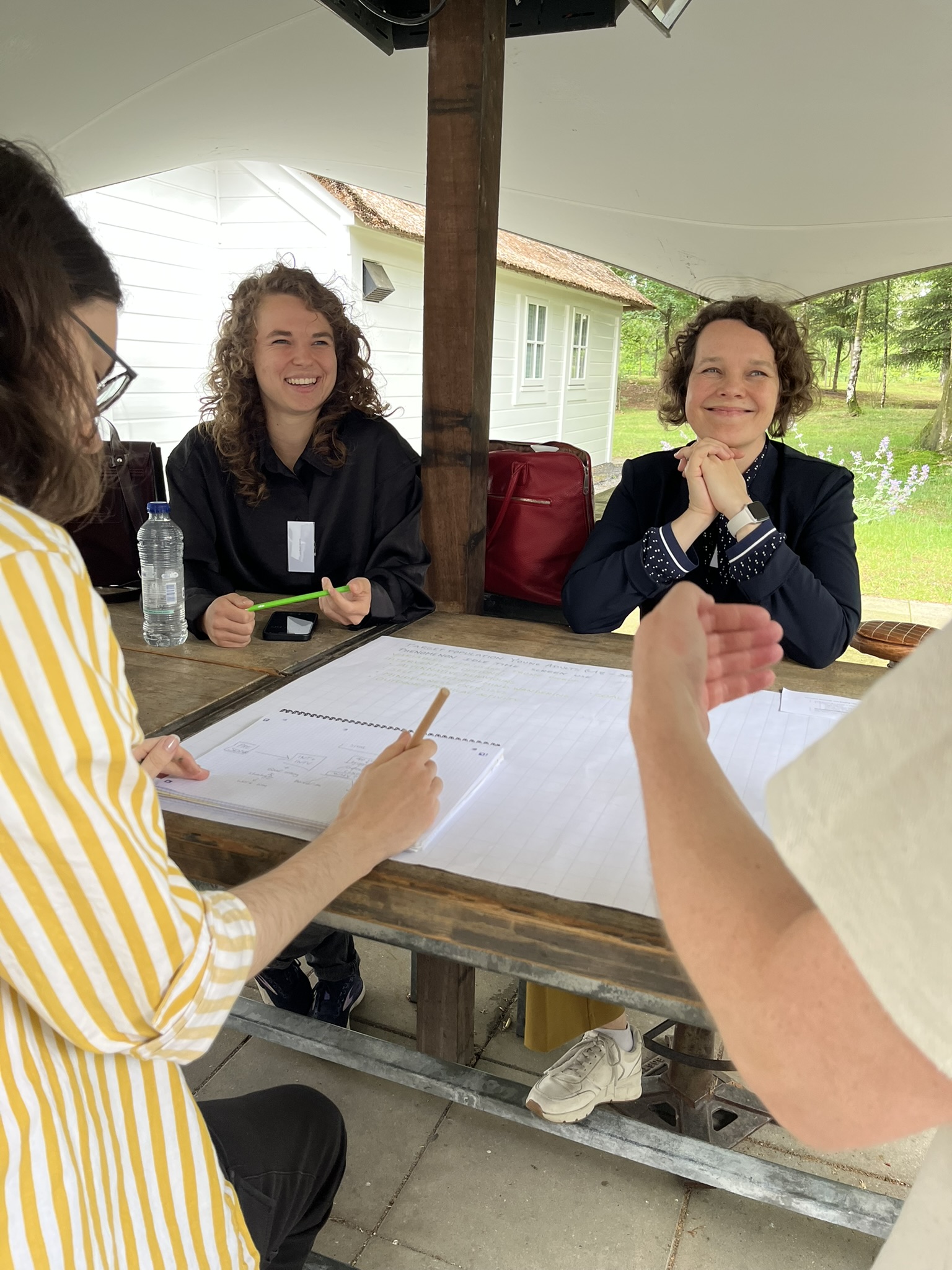
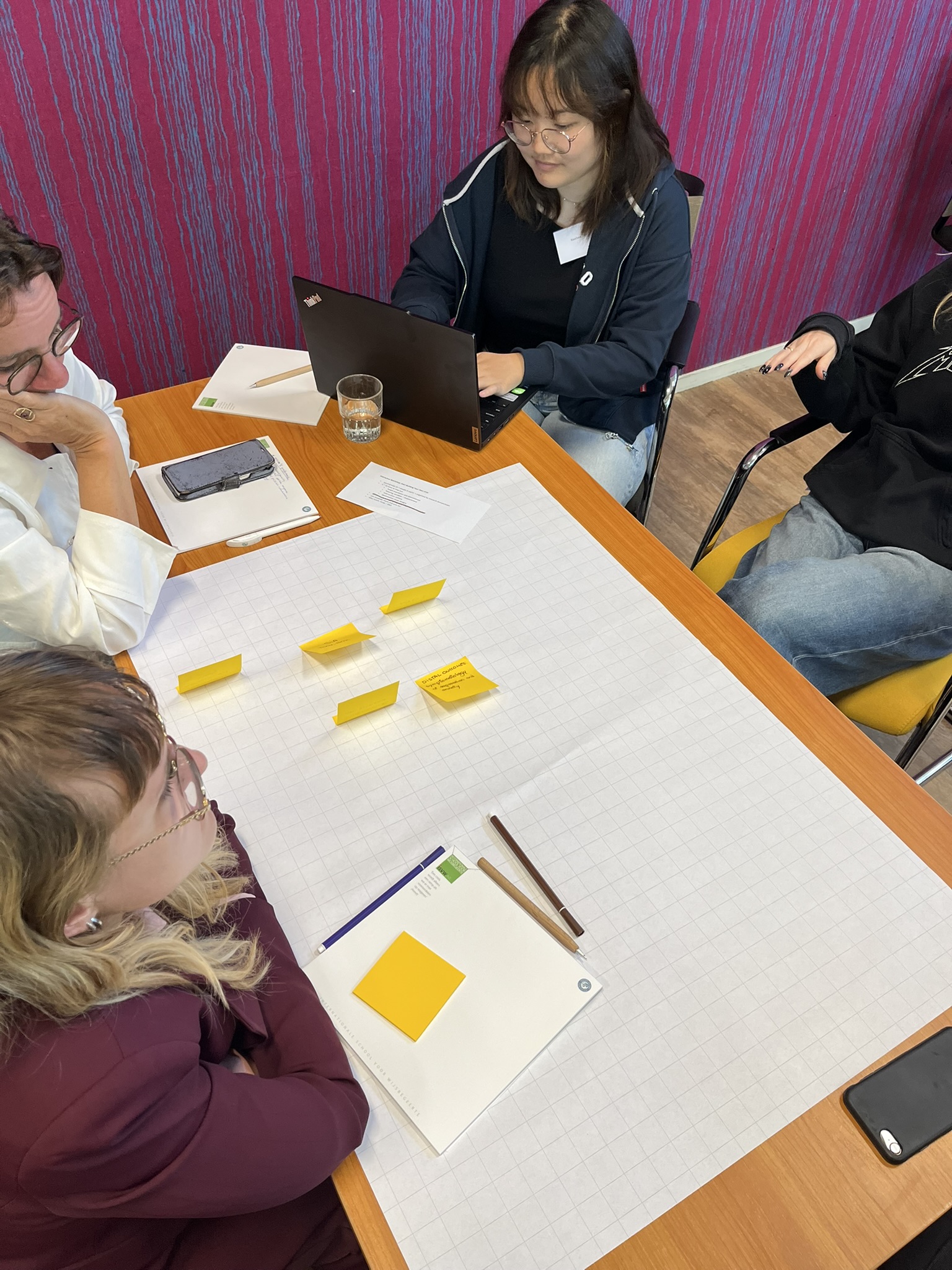
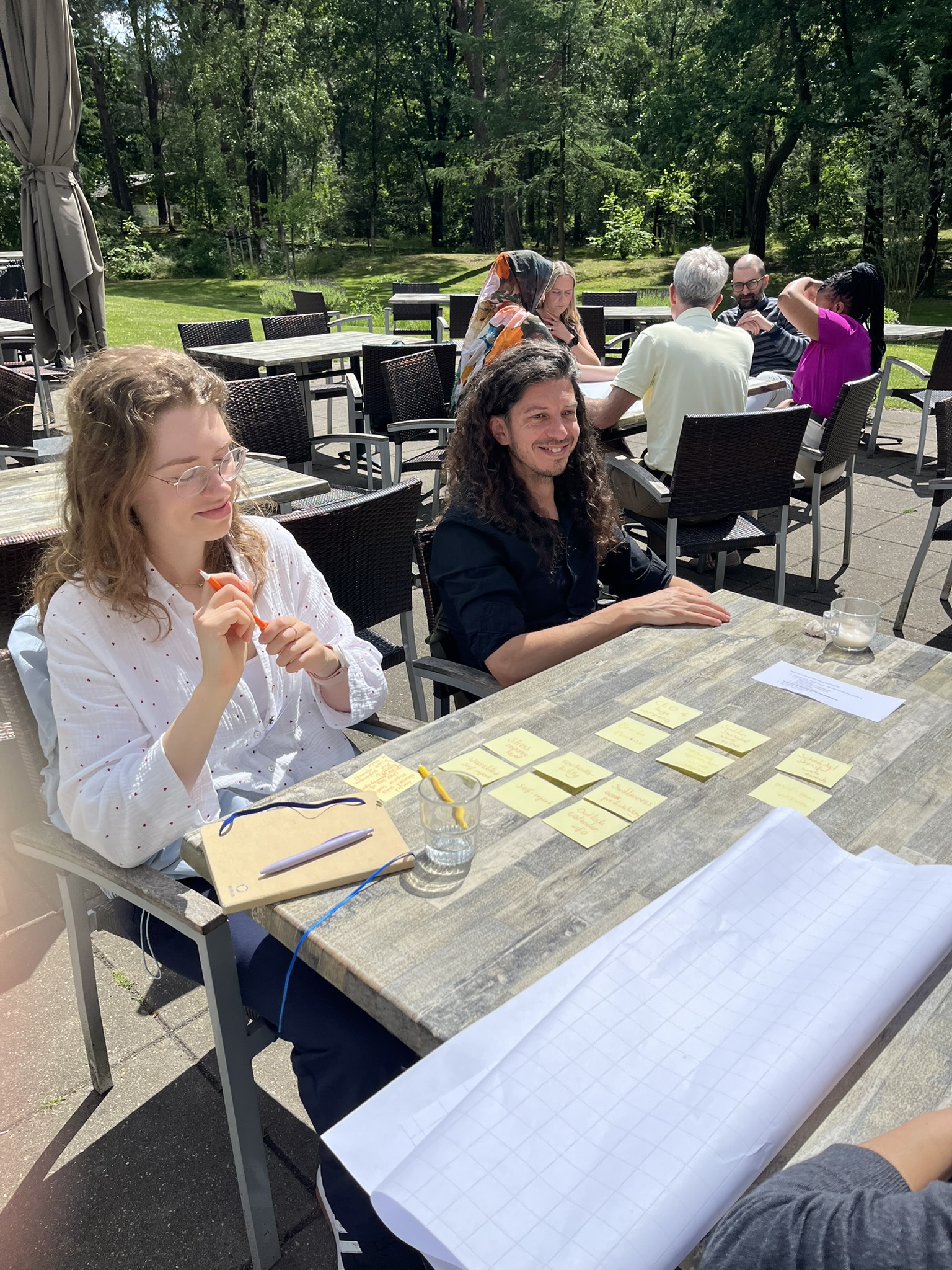
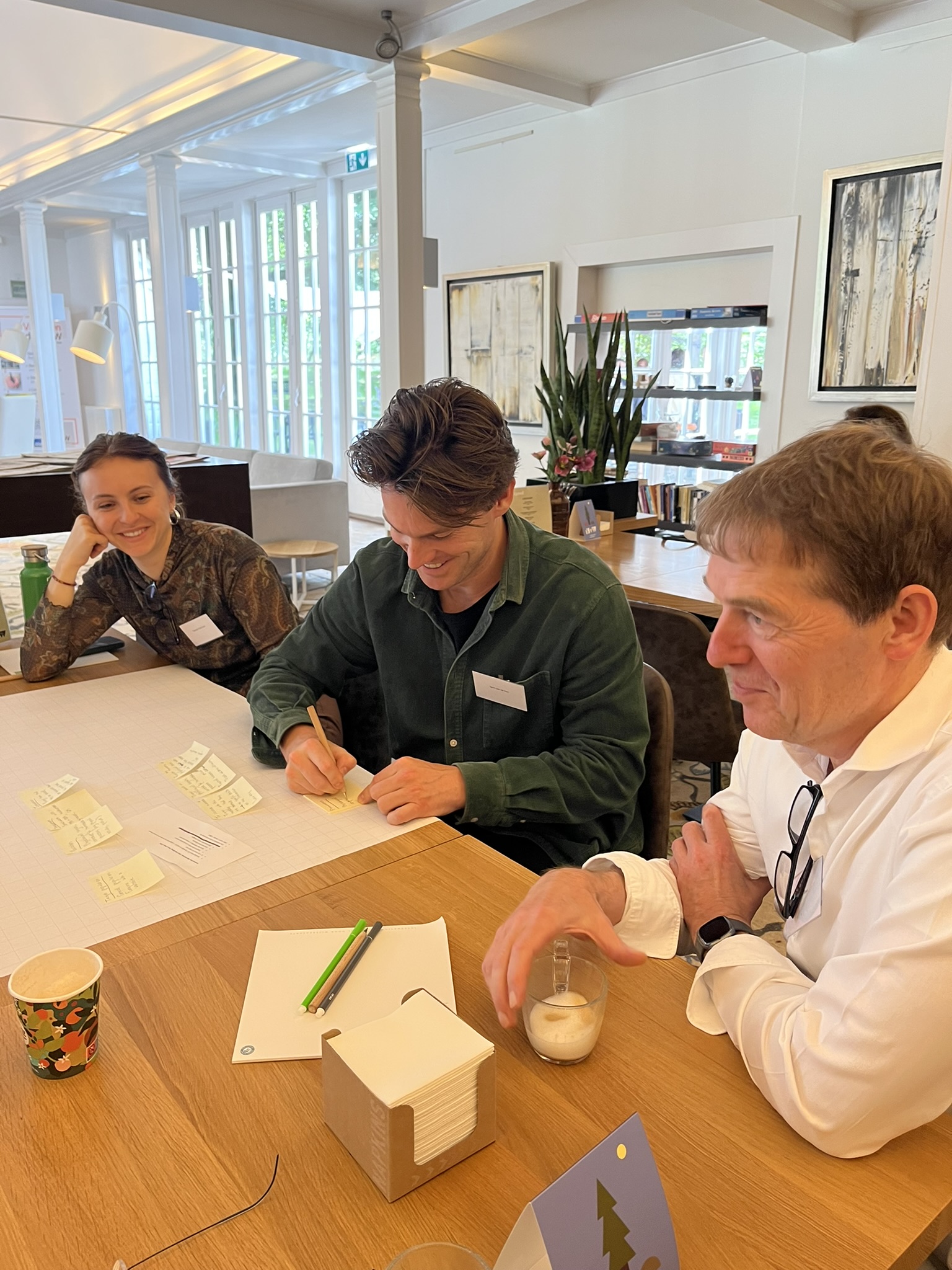
To explore the design of JITAIs further, Olga guided us through an interactive workshop where SiA members were working in small groups to come up with a JITAI design including target population and phenomenon, tailoring variables, measurement and intervention options. This workshop turned into lively discussions and a lot of inspiring research ideas. The groups covered diverse populations and phenomena ranging from maladaptive behaviours (e.g. excessive phone use, emotional eating, sleep problems) to clinical symptoms (e.g. depression and anxiety). Even though target phenomena varied widely, nearly all phenomena were framed around stress response. In contrast, detection of the stressful event itself – e.g., the stressor, such as an argument, leading to the stress response – was not incorporated and no interventions were framed around prevention of the stressors.
Interestingly, a majority of the groups adopted a combination of passive sensing (e.g. GPS, phone use), physiological sensing (e.g. HR and HRV) and active EMA approach. This very much reflected the multimodal data streams that SiA aims to collect and analyse. Personalisation of when to trigger an intervention emerged as a common theme across groups: 7 out of 11 groups used personalised thresholds of tailoring variables to determine intervention timing, such as self-chosen stress “zones” or cutoffs set via onboarding interviews. However, the decision about what intervention should be delivered differed across groups. Some emphasised participant autonomy, explicitly noting that participants should be able to choose from several intervention options in the moment. Others leaned more toward algorithm-driven or rule-based interventions, where the intervention content would be selected by the system given some pre-defined criteria or study design. Furthermore, several groups included a human element within their designs. Some groups included researcher-contact before, during, and after the intervention period, whereas other groups used a human element as part of the intervention, such as a buddy programme.

Image 3. Matthijs Noordzij, Olga Perski and Monique Tabak at the Stress in Action consortium meeting June 2026
Olga Perski reflects on the workshop:
“Beyond the opportunity to share the methodological pipeline for just-in-time adaptive intervention development within our ERC-funded Time Matters project, it was stimulating to spend two days learning about the ongoing and future research taking place within the Stress in Action consortium. A couple of highlights for me (among many!) were discussions around the ambiguous conceptualisation and measurement of stress and the consortium’s wearables database. Thank you to the organisers for the invitation and to the consortium members for the thought-provoking presentations and discussions!”
Intervening in daily life stress
Overall, the variety of intervention designs and research reflected the wide array of knowledge and expertise present within the SiA consortium. Despite targeting different populations and phenomena, groups converged on the stress response as a central mechanism and emphasised personalisation through multimodal data. This highlights the usefulness of a shared conceptual framework across research topics. Intervening in daily life stress processes requires a holistic perspective, using multiple data sources and technological, and human support.
Beyond the JITAI designs, Olga’s talk and the workshop also highlighted a broader strategic question for the consortium: what is the primary objective of phase 3 and JITAI development within SiA, and how can interventions best contribute to the consortium’s broader scientific and societal goals? We are grateful to Olga for her expert advice and making us think deeply about this topic.
References
Hekler, E. B., Rivera, D. E., Martin, C. A., Phatak, S. S., Freigoun, M. T., Korinek, E., Klasnja, P., Adams, M. A., & Buman, M. P. (2018). Tutorial for Using Control Systems Engineering to Optimize Adaptive Mobile Health Interventions. Journal of medical Internet research, 20(6), e214. https://doi.org/10.2196/jmir.8622
Nahum-Shani, I., Smith, S. N., Spring, B. J., Collins, L. M., Witkiewitz, K., Tewari, A., & Murphy, S. A. (2018). Just-in-Time Adaptive Interventions (JITAIs) in Mobile Health: Key Components and Design Principles for Ongoing Health Behavior Support. Annals of behavioral medicine : a publication of the Society of Behavioral Medicine, 52(6), 446–462. https://doi.org/10.1007/s12160-016-9830-8