
You make a ton of decisions throughout the day: what chores and work tasks to tackle, when and what to eat, when to meet with friends and family… Luckily, you do not have to actively think about controlling your heart or lung activity. Ever wondered how these vital “chores” are managed behind the scenes?
The parasympathetic nervous system is a network of bundles of fibers –similar to a bunch of wires stacked together– that continuously sends electrical signals to facilitate the communication between your brain and body. It continuously helps regulate blood pressure, heart rate, how much blood the heart pumps, and prevents lung overinflation among its other functions. 75% of the fibers (i.e., wires) of the parasympathetic nervous system are contained in the vagus nerve. Sometimes oversimplified as the “calming nerve,” the vagus nerve is a highway bridging the brain with a number of internal organs, such as the heart, lungs, stomach, kidneys, and the voice box.
Melisa Saygin is a PhD candidate at VU Amsterdam in the department of Biological Psychology. She has a strong interest in (stress) physiology and is part of Research Theme 2 of Stress in Action.

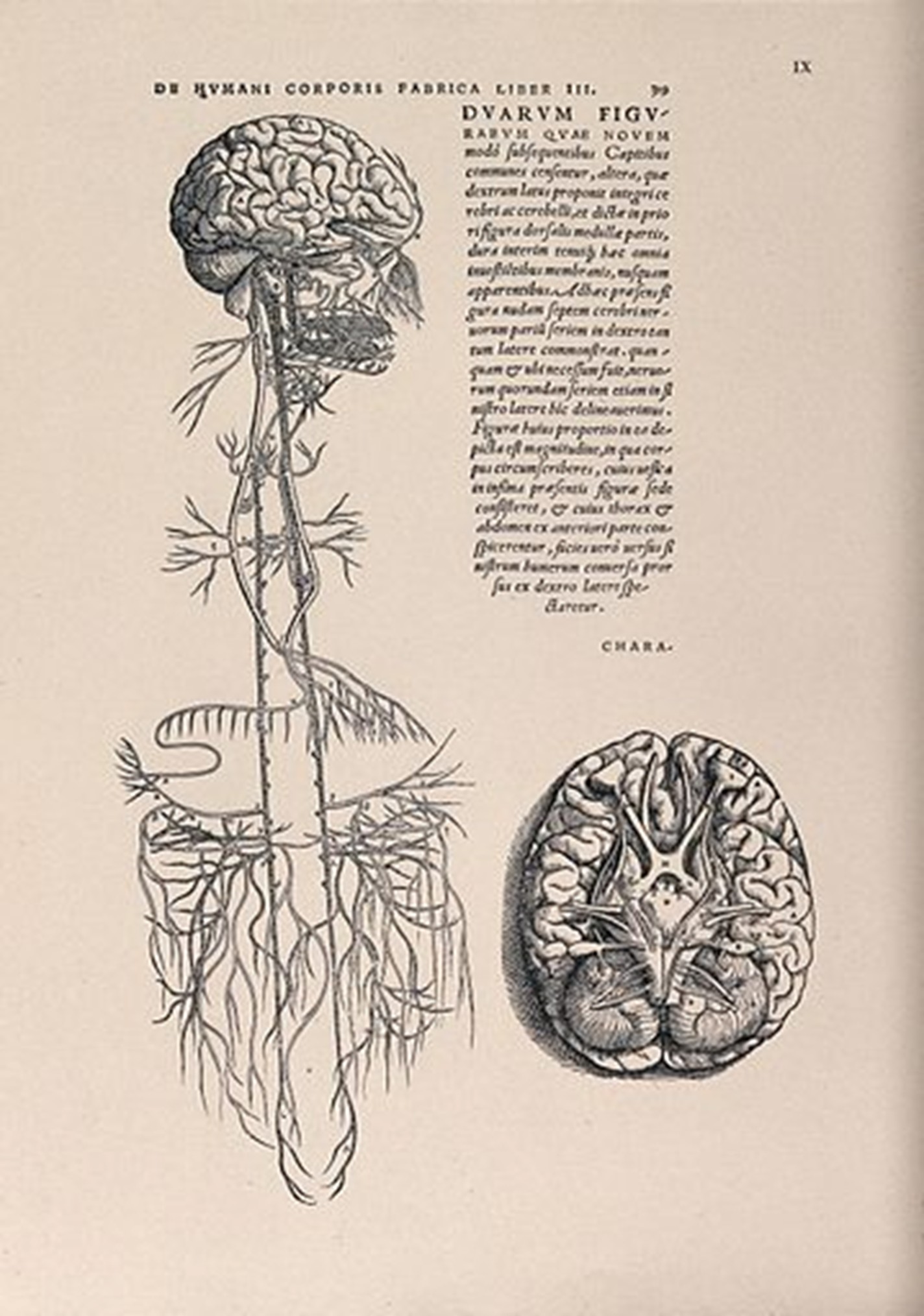
Image 1. Drawing of vagus nerve fibers across the body. Image taken from the Historical Picture Archive, Wellcome Collection, from the book De Humani Corporis Fabrica Libri Septem. Licence: CC BY 4.0
The Vagus and Disease
The vagus nerve becomes dysregulated in a number of serious psychiatric, neurological, and heart-related conditions such as depression, epilepsy, and chronic heart failure. In psychiatric conditions, vagus nerve dysregulation is often linked to stress. Exposure to chronic stress or trauma/adversity leads to a prolonged and repeated withdrawal of vagus nerve activity. As a result of this abnormal suppression of activity, the vagus nerve undergoes wear-and-tear: the way it reacts to stressful situations shifts altogether. In response to the same laboratory stressors, those with a psychiatric disorder can show exaggerated (higher-than-typical) or blunted (lower-than-typical) reactivity compared to healthy individuals.
The dysregulation of the vagus nerve, combined with the “ease” of access to the vagus (relative to the other nerves in our bodies) initiated a new line of treatment: electrical stimulation of the vagus nerve to reduce or even eliminate disease symptoms. Over three decades ago, researchers showed that electrical stimulation of the vagus nerve can decrease epileptic seizures. Some clinical studies showed that after treatment of two to three years of vagus nerve stimulation, about half of the people with chronic depression experienced a major reduction in symptoms, and a third of the patients no longer qualified for the diagnosis. Today, vagus nerve stimulation (VNS) is used to treat epilepsy and depression when treatment with medication does not work. VNS may also help reduce inflammation in the body. That is why researchers are now testing the treatment in those with life-threatening illnesses like rheumatoid arthritis and sepsis.
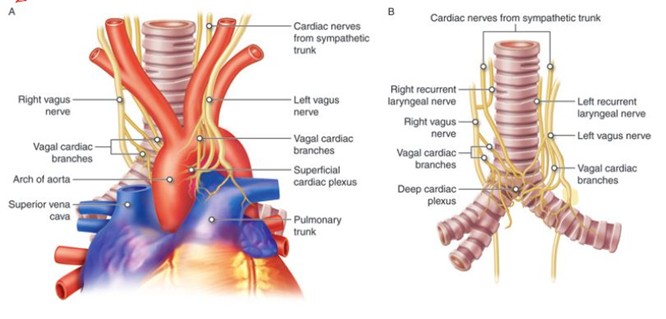
Image 2. Illustration of the vagus nerve fibers innervating the heart and windpipe (trachea). Image taken from Wikimedia Commons. Licence: CC BY 4.0
How does invasive VNS work?
Vagus nerve stimulation (VNS) is administered by means of an electrode attached to a pacemaker unit. The electrode is implanted directly on the left vagus nerve at the neck level (image 3). The device is programmed to intermittently send electrical stimuli to increase the vagus nerve activity. The implantation of this electrode-pacemaker unit requires the individual to undergo a brief surgery under general anesthesia. As the vagus nerve anatomically runs right next to the vessel that carries blood from the heart to the brain, the surgery is not without its risks. Individuals with epilepsy who have an implanted pacemaker are also given a “therapy magnet” which can be worn on the wrist. When the patient senses an incoming seizure, they can pass the magnet over their left upper chest area to trigger the pacemaker to send an immediate electrical burst to the vagus.
But what does it really mean to “activate the vagus”? It is not as straightforward as it sounds. Roughly 80% of vagus nerve fibers carry information towards the brain, while 20% carry information from the brain towards a number of organs. As of today, the VNS administered in humans is non-selective: it delivers the stimulus to all fibers of the vagus, no matter the organ and the direction of communication. Applying electrical stimulation to the entire bundle of fibers reduces treatment efficacy and can result in side effects.
For example, in a patient with heart failure, VNS resulted in noticeable effects on their airway, which prevented administering the necessary dose of electrical stimulation needed to activate the vagus fibers going to the heart. Others experienced voice alterations and changes to breathing patterns such as an increase in interrupted breathing during sleep. For epilepsy and depression treatment, researchers and physicians typically hold that what matters is the activation of those fibers going up towards the brain. Yet, it should be noted that the mechanism by which the VNS of those fibers is supposed to reduce depressive and epileptic symptoms is not completely understood.
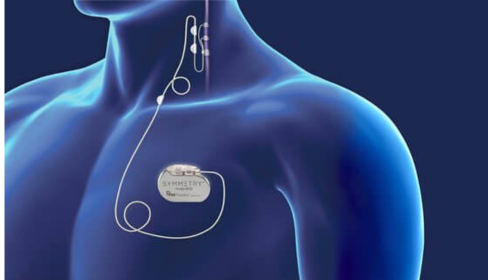
Image 3. Invasive vagus nerve stimulator implanted on the left vagus nerve at the neck level. Image taken from imindmental.com. Licence: CC BY-NC 4.0.
How does non-invasive (transcutaneous) VNS work?
Although invasive VNS is the original form of vagus nerve stimulation, non-invasive VNS has become more popular. If you search “vagus nerve stimulation” online, a flood of non-invasive VNS devices pop up. In non-invasive VNS, an electrode is attached to the neck or to the ear (with preferred stimulation sites including the tragus, cymba concha, helix, or, in some protocols, the earlobe, image 4), where a branch of the vagus nerve (auricular) passes. Attached to the electrode, an external pulse generator device delivers electrical stimulation to the area. Non-invasive VNS is also referred to as “transcutaneous,” meaning it acts through unbroken skin. Several studies showed that non-invasive VNS changed the activity of brain regions involved in better mood regulation. However, different studies showed activity changes in different brain regions. Across these studies, there were also large differences in activation parameters such as the stimulation site, intensity, frequency, and amplitude.
A number of consumer-oriented VNS devices promise to be a cure-all: they supposedly help manage mood swings, faster recovery from stress reactivity, make it easier to fall asleep, and boost cognitive performance among other benefits. But how can we know such a device is actually stimulating the nerve(s) it claims to? Even if we assume some stimulus is sent to the vagus, does it do that using the optimal stimulation parameters for a given disorder (e.g., migraine)? These questions among others remain unanswered.
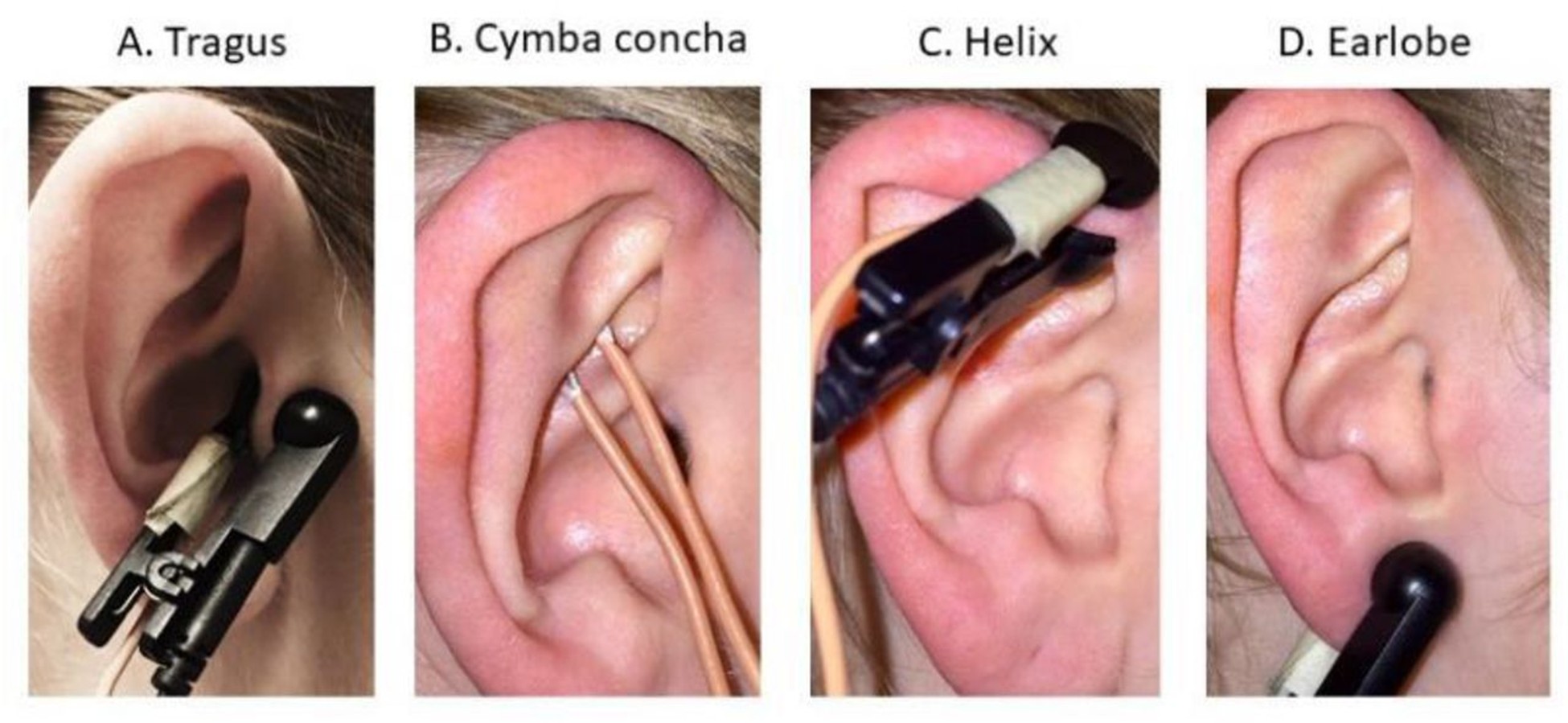
Image 4. Non-invasive (transcutaneous) vagus nerve stimulator placed on different stimulation sites on the ear. Image taken from the research study of Bretherton et al. (2023). Licence: CC-BY 4.0.
Where do we go from here?
As consumers, it is reasonable to exercise some level of caution regarding these non-invasive stimulation devices until more research is done. VNS, especially in its original “invasive” form, should receive increasing attention in research as it is a promising second- or third-line treatment for serious cardiac, inflammatory, psychiatric, and neurological diseases.
For more efficient and safer interventions, the stimulation of the vagus nerve should become “spatially selective,” that is, only a specific group of fibers should be stimulated based on the disease. For instance, following a heart attack, there is a persistent and dangerous underactivation of the vagus nerve activity to the heart. For individuals who survived a heart attack, the specific vagus fibers which are travelling from the brain towards the heart should be targeted with VNS.
Vagus nerve stimulation shows great promise, but its full potential has yet to be shaped—much like a block of marble still waiting to be sculpted. Its progress will depend on close interdisciplinary collaboration between psychologists, biologists, engineers, physicians, and patients.
References
Bretherton, B., Murray, A., Deuchars, S., & Deuchars, J. (2023). The Autonomic Effects of Transcutaneous Auricular Nerve Stimulation at Different Sites on the External Auricle of the Ear. https://doi.org/10.1101/2023.09.14.557755
Jayaprakash, N., Song, W., Toth, V., Vardhan, A., Levy, T., Tomaio, J., Qanud, K., Mughrabi, I., Chang, Y. C., Rob, M., Daytz, A., Abbas, A., Nassrallah, Z., Volpe, B. T., Tracey, K. J., Al-Abed, Y., Datta-Chaudhuri, T., Miller, L., Barbe, M. F., Lee, S. C., … Zanos, S. (2023). Organ- and function-specific anatomical organization of vagal fibers supports fascicular vagus nerve stimulation. Brain stimulation, 16(2), 484–506. https://doi.org/10.1016/j.brs.2023.02.003
Johnson, R. L., & Wilson, C. G. (2018). A review of vagus nerve stimulation as a therapeutic intervention. Journal of inflammation research, 11, 203–213. https://doi.org/10.2147/JIR.S163248
Thompson, N., Ravagli, E., Mastitskaya, S., Challita, R., Hadaya, J., Iacoviello, F., Idil, A. S., Shearing, P. R., Ajijola, O. A., Ardell, J. L., Shivkumar, K., Holder, D., & Aristovich, K. (2025). Towards spatially selective efferent neuromodulation: anatomical and functional organization of cardiac fibres in the porcine cervical vagus nerve. The Journal of physiology, 603(7), 1983–2004. https://doi.org/10.1113/JP286494
Yap, J. Y. Y., Keatch, C., Lambert, E., Woods, W., Stoddart, P. R., & Kameneva, T. (2020). Critical Review of Transcutaneous Vagus Nerve Stimulation: Challenges for Translation to Clinical Practice. Frontiers in neuroscience, 14, 284. https://doi.org/10.3389/fnins.2020.00284